Château Brane-Cantenac: The timeless elegance of a Margaux Second Growth
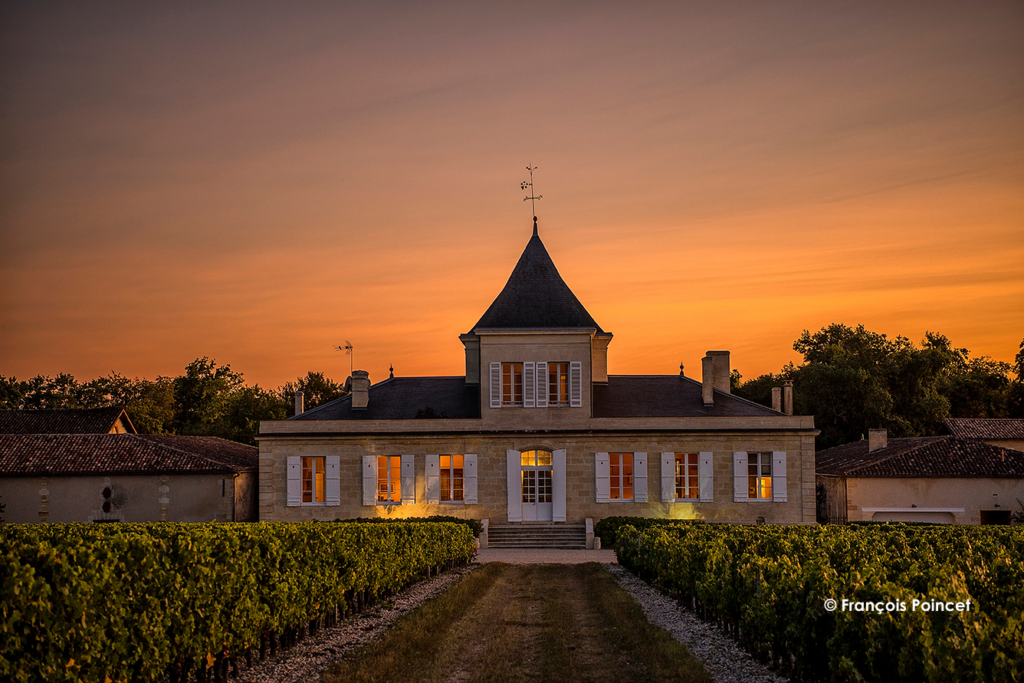
Classified as a Second Growth of Margaux in 1855, Château Brane-Cantenac is often described as a “wine for aesthetes.” The phrase is accurate, yet incomplete. Beneath its elegance lies a rare depth, shaped by a singular terroir and nearly a century of family loyalty. A wine that offers immediate pleasure today, thanks to its precision and balance. And one that reveals increasing depth and concentration as it ages.
The Land of Cantenac, where finesse takes shape
Before being a name, Château Brane-Cantenac is first and foremost a place. Located at the heart of the Cantenac plateau, in the most prestigious part of the Margaux appellation, the vineyard extends mainly over plots belonging to the fourth gravel terrace of the Garonne—one of the Médoc’s oldest and most prestigious geological formations.
These deep gravel soils, composed of pebbles, sand and fine clay, provide remarkable natural drainage. The vines are naturally forced to send their roots deep into the subsoil, where it can access consistent water reserves even during the driest summers. This gentle constraint is the foundation of Brane-Cantenac’s style.
Dominated by Cabernet Sauvignon, complemented by Merlot and smaller proportions of Cabernet Franc and Petit Verdot, the vineyard is perfectly suited to this gravelly terroir. On this fourth terrace, Cabernet Sauvignon ripens slowly and progressively. It seeks neither over-concentration nor demonstrative power. It gains in precision, tension and aromatic definition. The proximity of the Gironde estuary also plays a decisive role, acting as a natural thermal regulator and tempering climatic extremes.
Château Brane-Cantenac is a Margaux of terroir. Here, finesse is not constructed—it is revealed.
The Lurton family: a patiently built vision
In 1925, the Lurton family acquired Château Brane-Cantenac. This marked a defining moment, not through a stylistic break, but through the establishment of a long-term culture that continues to shape the wine today. Transmission here is an act of responsibility, conceived across generations.
Under the leadership of Paul and then Henri Lurton, the estate modernised without ever compromising its identity. Understanding each parcel, respecting its limits, guiding rather than forcing. This almost artisanal approach, on the scale of a Grand Cru Classé, is one of the keys to the pleasure that the wine provides today.
For the discerning wine lover, this human continuity is fundamental. It ensures stylistic coherence over time, an essential factor when building a cellar for both drinking and aging.
A demanding viticultural philosophy in service of the terroir
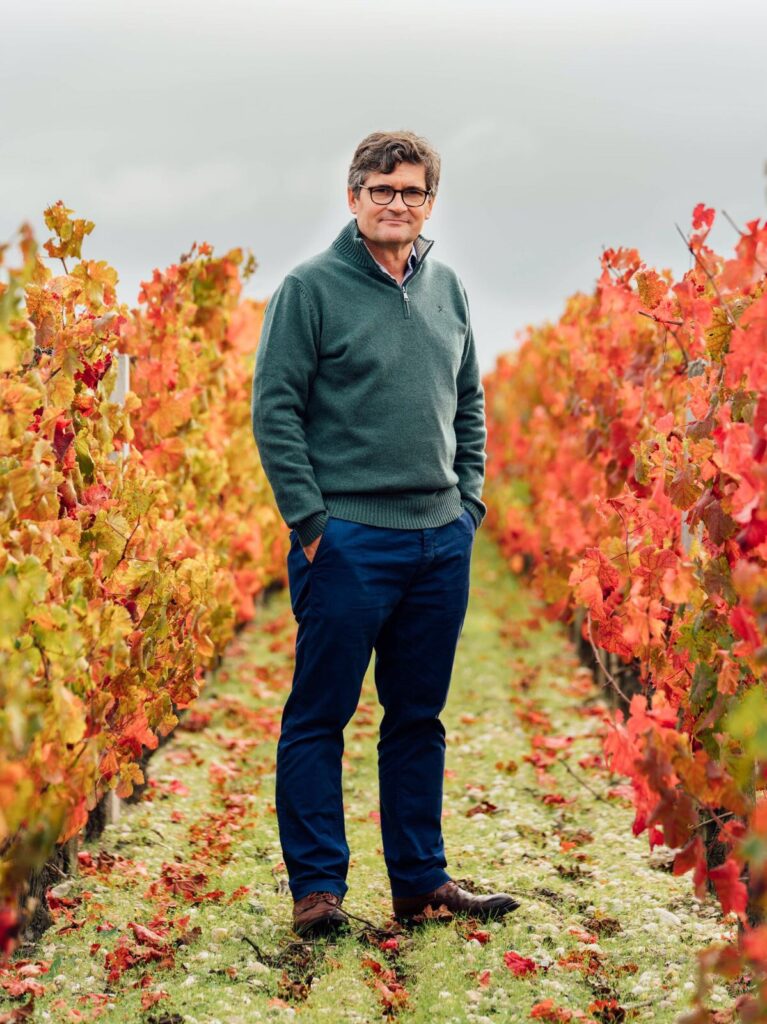
At Brane-Cantenac, viticulture serves above all to express terroir. The estate is undergoing a gradual transition to organic farming, pursued with pragmatism and exacting standards, in keeping with a philosophy of restraint rather than display.
Precise parcel-by-parcel work, controlled yields and the pursuit of balanced ripeness result in grapes of notable purity. This approach produces wines that are more approachable in youth, while preserving the depth and ageing potential that define the estate.
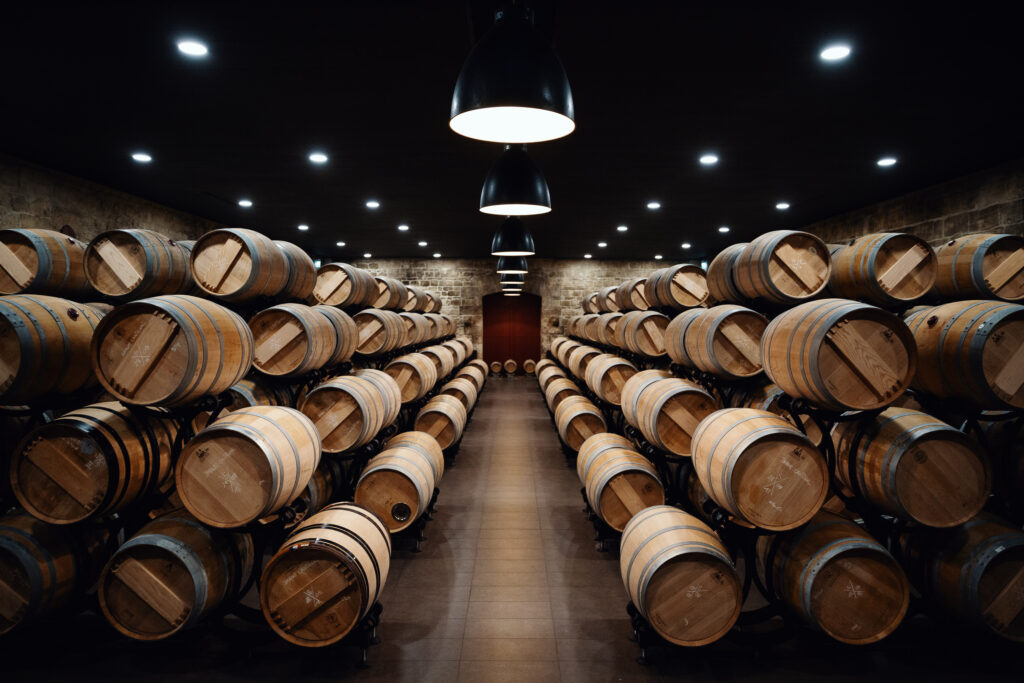
In the cellar, the same restraint prevails. Winemaking and ageing are carefully calibrated to support the wine without constraining it, allowing the natural elegance of Margaux to express itself fully.
The Brane-Cantenac Style: Immediate clarity, lasting depth
Château Brane-Cantenac charms with an immediate clarity that never excludes depth. The nose opens with precision, revealing aromas of black and red fruits, violet and, at times, a subtle hint of blond tobacco. Nothing exuberant—just aromatic purity, the hallmark of great Margaux wines.
On the palate, the attack is supple and elegant. The wine then unfolds with measured breadth, supported by a fine, silky tannic structure that is perfectly integrated. Constant freshness lends the wine remarkable energy and extends a finish that is long, precise and without heaviness. This harmony makes Brane-Cantenac particularly approachable in youth, while preserving a remarkable capacity for ageing.
Alongside the Grand Vin, the estate offers further interpretations of the Margaux terroir, conceived as complementary expressions rather than alternatives. Baron de Brane, the château’s second wine, provides a more immediate and accessible expression of the Brane-Cantenac signature, while retaining finesse and precision. Margaux de Brane adopts a more contemporary style, highlighting fruit and generosity without sacrificing elegance. Finally, Mosaïque—made predominantly from Merlot—explores a more spontaneous and relaxed facet of the estate, offering immediate pleasure while remaining true to the spirit of the house.
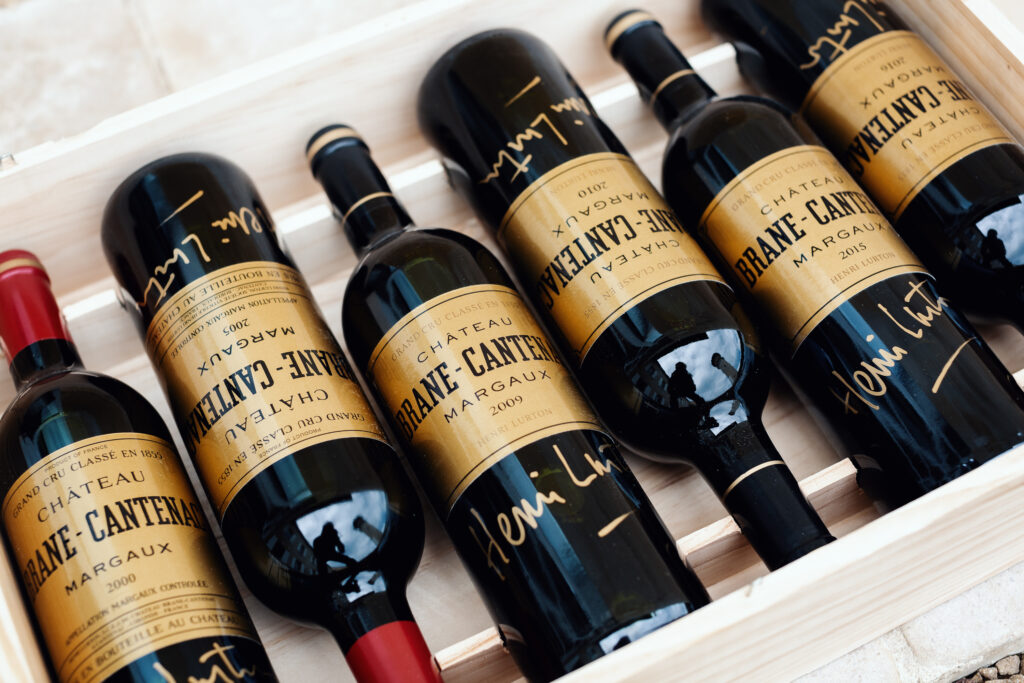
Château Brane-Cantenac never reveals itself all at once, even as it grows more approachable in youth. It calls for patience and attention. A wine that speaks as much to the intellect as to the senses, it invariably rewards those willing to give it time.